
SouthWest Automobile Financing

Blog / Car Buying Tips

Blog

All Car Buying Tips Trade Your Car Car Care Tips Car Care Truck Buying Tips Car Financing Tips
Ford Bronco SUV, front view

The Good The Bad and What's Coming Back

Never Say Never: The Cars That Refuse To Be Forgotten Every car enthusiast has that one vehicle they wish was still on the market. Whether it’s a high-performance muscle car, a quirky compact, or an off-road beast, many beloved cars have been discontinued over the years. Some have worthy replacements that carry on their legacy, others disappeared with no real successor, and a few are finally making a comeback. The Good: Cars With a Comparable Modern Alternative Not all discontinued cars leave a void in the market. Some have been succeeded by models that continue their spirit, performance, and purpose. Here are cars that may be gone, but not forgotten—because you can still get something similar today. 1. Chevy SS (2014-2017) ? Alternative: Dodge Charger Scat Pack or Cadillac CT5-V Why it was loved: A sleeper sedan with a Corvette-derived V8 and RWD. Why it was discontinued: Low sales and GM shutting down the Holden division. Best modern alternative: The Dodge Charger Scat Pack is the last American V8 sedan, while the Cadillac CT5-V offers similar power and handling. 2. Ford Focus RS (2016-2018) ? Alternative: Toyota GR Corolla or VW Golf R Why it was loved: AWD, turbocharged hot hatch with an aggressive personality. Why it was discontinued: Ford stopped Focus production in North America. Best modern alternative: The Toyota GR Corolla keeps AWD and turbo fun alive, while the VW Golf R remains a top-tier hot hatch. 3. BMW M3 Coupe (E92, 2013) ? Alternative: BMW M4 or Lexus RC F Why it was loved: The last naturally aspirated V8 M3, known for its high-revving engine. Why it was discontinued: BMW switched to turbocharged inline-six engines. Best modern alternative: The BMW M4 continues as the M3’s coupe successor, while the Lexus RC F keeps the naturally aspirated V8 alive. 4. Chevy Avalanche (2013) ? Alternative: GMC Sierra Denali CarbonPro or Honda Ridgeline Why it was loved: Versatile truck/SUV hybrid with the "midgate" for extra cargo space. Why it was discontinued: Declining sales and market shifts. Best modern alternative: The GMC Sierra Denali CarbonPro keeps the premium truck experience alive, while the Honda Ridgeline carries on the unibody truck concept. 5. Volkswagen Beetle (2019) ? Alternative: MINI Cooper or VW ID.Buzz Why it was loved: A retro-styled classic that mixed nostalgia with modern tech. Why it was discontinued: Declining sales and VW's shift to electric vehicles. Best modern alternative: The MINI Cooper maintains quirky small-car fun, and the VW ID.Buzz brings back retro VW charm in electric form. The Bad: Cars With No True Replacement These discontinued cars left behind a void in the market that no current model fully fills. 1. Mazda RX-7 / RX-8 Why it was loved: Rotary-powered sports cars with a unique driving experience. Why it was discontinued: Struggles with emissions and fuel efficiency. No true replacement: Mazda has no modern rotary sports car. 2. Honda S2000 Why it was loved: High-revving engine, lightweight chassis, and perfect balance. Why it was discontinued: Market shifts away from small roadsters. No true replacement: No similar Honda sports car exists today. 3. Toyota MR2 Why it was loved: Affordable mid-engine sports car. Why it was discontinued: Market decline for affordable mid-engine cars. No true replacement: Toyota has hinted at a comeback but hasn’t delivered. 4. Nissan 240SX Why it was loved: Budget-friendly RWD sports coupe loved by tuners. Why it was discontinued: Shift in consumer preference toward crossovers. No true replacement: Nissan doesn’t offer a similar car today. What’s Coming Back: Confirmed or Rumored Returns Some discontinued cars are finally getting a second chance or at least strong comeback rumors. 1. Toyota Land Cruiser (Confirmed Return in 2024!) Why it was loved: Ultimate off-road capability with Toyota reliability. Why it was discontinued: High price and SUV market changes. Confirmed comeback: A redesigned Land Cruiser returns in 2024. 2. Dodge Hornet (Spiritual Revival of the Neon & Caliber SRT-4) Why it was loved: Dodge Neon SRT-4 was a fun, turbocharged compact. Why it was discontinued: Dodge abandoned small cars. Confirmed comeback: The Dodge Hornet is a turbocharged AWD crossover carrying the performance torch. 3. Mitsubishi Lancer Evolution (Rumored Comeback) Why it was loved: AWD turbo rally performance car. Why it was discontinued: Mitsubishi shifted focus to SUVs and EVs. Rumors: Reports suggest a hybrid or electric Evo may be in development. 4. Ford Thunderbird (Possible EV Revival?) Why it was loved: Classic American grand touring coupe. Why it was discontinued: Lack of demand in its last iteration. Rumors: Ford has hinted at reviving the Thunderbird name for a luxury electric coupe. The auto industry is constantly evolving, and while some cars disappear forever, others find new life in modern forms. Whether you’re nostalgic for the raw power of the Dodge Viper, the quirky charm of the VW Beetle, or the off-road prowess of the Land Cruiser, one thing is certain—great cars never truly die in the hearts of enthusiasts. Which of these discontinued cars do you miss the most? And which one are you most excited about seeing return? If you’re looking for a modern alternative or your next favorite ride, explore our full inventory and see what’s waiting for you.

Volkswagen Atlas R-Line three-row SUV

What First-Time Buyers Worry About Most

But Luckily You Don't Have To! Buying your first car is a big deal. It’s exciting, but it can also feel intimidating. If you’ve ever thought, “I don’t want to say the wrong thing,” or “What if I make a huge mistake?”, you’re not alone. Almost every first-time buyer walks in with the same worries. The good news? Most of those worries are completely normal and many of them aren’t worth stressing over as much as you think. Let’s walk through a few of the big fears first-time buyers have, and why you can relax a little. Worry #1: “I Don’t Know Enough About Cars” Plenty of people feel like they need to be a car expert before they ever step onto a lot. In reality, that’s not the expectation at all. Your job is to know your life, your budget, and what you’d like your next vehicle to do for you. The details features, trim levels, and options can be talked through together. A simple way to feel more confident is to look around online first. Take a few minutes to browse a variety of vehicles so you can get a feel for body styles, approximate prices, and features that catch your eye. You don’t need to memorize anything just getting familiar with what’s out there can make the conversation at the dealership feel much easier. Remember, asking questions is not a sign of weakness. It’s the smartest thing you can do as a first-time buyer. Worry #2: “I’ll Say the Wrong Thing” It’s easy to worry that one wrong sentence could somehow derail the whole experience. The truth is, there’s no secret script you’re supposed to follow. You don’t need special words or perfect timing just honesty. The most helpful thing you can do is simply share what you’re looking for and what matters to you. Whether that’s staying within a certain budget, needing space for family, or wanting great fuel mileage, your needs guide the conversation. The process works best when it feels open and relaxed, not like a test you have to pass. You can learn more about that process by reading up on how a trade-in evaluation typically works. Think of it as a two-way conversation focused on finding the vehicle that fits you and your lifestyle. There’s no “wrong” thing to say when you’re being honest about what you want and asking questions to learn more. Worry #3: “I Won’t Qualify for Financing” Financing is another big stress point for first-time buyers. Many people worry they’ll sit down, get judged, and be told “no” without any explanation. In reality, the financing process is more about matching your situation with the right lending option. Every lender has different guidelines, and many dealerships work with a variety of lending partners. The goal is to find a comfortable path forward, not to make you feel bad about where you’re starting from. If you’d like a head start, you can always take a few minutes to begin a simple credit application online. That way, some of the groundwork is done before you ever step through the door. It doesn’t guarantee approval, but it can help you know what to expect and save time during your visit. Worry #4: “What If I Pick the Wrong Vehicle?” First-time buyers often feel pressure to find the “perfect” car on the first try. It’s easy to worry that you’ll regret your choice the moment you drive away. Instead of chasing perfection, focus on fit. How will you really use the vehicle? Daily commutes, school runs, road trips, weekend projects these all matter more than a specific color or gadget. If you don’t see the exact match you had in mind, that’s not the end of the road. Many dealerships offer a vehicle locator option to help search beyond what’s sitting on the lot today. If you’re curious about that, take a look at the car locator service to see how it works. The right vehicle is the one that fits your life and budget not the one that checks every box on a wishlist. Worry #5: “I’ll Just Be Another Number” It’s easy to picture the car-buying process as cold and transactional get in, sign papers, get out. But behind every showroom and website is a team of real people who help customers every day and understand that a first-time purchase is a big deal. If you’d like to feel more comfortable before you ever visit, you can always learn more about the team you’ll be working with. Getting to know the people behind the process can make the entire experience feel more personal. And if you have a question, concern, or special situation you want to talk through ahead of time, you can reach out directly. A quick message can clear up a lot of anxiety before you ever set foot in the showroom. How to Feel More Confident Before You Visit Feeling nervous doesn’t mean you’re not ready to buy a car it just means it’s important to you. Here are a few simple steps that can boost your confidence: Write down your “must-haves” and “nice-to-haves” so you don’t forget them in the moment. Take a quick look at what’s available right now to get a feel for options and price ranges. Gather basic documents you might need, like your driver’s license and trade-in information if you have a vehicle to replace. If you’re curious about financing, spend a few minutes on the online credit application so you know where you stand. Jot down any questions you want to be sure you ask in person. Being a first-time buyer doesn’t mean you have to feel lost. With a little preparation, a few good questions, and a team willing to guide you through the process, you can move from nervous to confident and actually enjoy choosing your first car.

Volkswagen Tiguan compact SUV, side profile

Off To College What You Should Look For In A Car

What College Students Should Look for When Buying a Budget-Friendly Vehicle Choosing a vehicle for college is a big decision. Students often need something reliable, affordable, and practical for daily life—whether they're commuting to class, driving home on weekends, or navigating life on a tight budget. Instead of focusing on specific makes or models, it’s more helpful to understand the key features and qualities that make a vehicle a smart fit for student life. Here’s a breakdown of what college drivers should look for, why these factors matter, and how to make a confident decision when exploring options in our current inventory. 1. Budget and Total Cost of Ownership Price is just one part of affordability. Students should consider the full cost of owning a car, especially when managing tuition, housing, and other expenses. Fuel Efficiency: Great MPG is important for students who commute daily or travel home frequently. Insurance Costs: Smaller, reliable vehicles often have lower insurance premiums—especially helpful for younger drivers. Maintenance Expenses: Vehicles with a strong reputation for reliability help keep repair costs predictable. Registration and fees: These vary by state but should be factored into the overall budget. Looking at the long-term financial picture helps students choose a vehicle that fits comfortably within their means. 2. Practicality for Daily Life College students typically need a vehicle that can handle a wide range of tasks—moving between dorms or apartments, weekend trips, grocery runs, and everything in between. Practicality is especially important for students who may not have guaranteed parking or must use off-campus lots. Cargo Space: Enough room for backpacks, sports gear, laundry, or small pieces of furniture. Flexible Seating: Folding rear seats or roomy layouts can make moves easier during semester changes. Urban-Friendly Size: Compact or mid-sized vehicles are easier to park on crowded campuses. 3. Reliability and Longevity Students need a car that “just works.” With busy schedules and limited repair budgets, reliability is one of the most important factors. Proven dependability: Fewer unexpected repairs mean fewer interruptions to school and work. Low routine maintenance needs: Oil changes, brakes, and tires should remain manageable. Strong resale value: Reliable vehicles retain value better, which helps when trading or selling later. 4. Safety Features That Matter Safety is essential for drivers with limited experience or frequent night driving. Modern safety features can reduce the risk of accidents and offer peace of mind for both students and parents. Advanced Safety Systems: Features like automatic emergency braking, lane assistance, and blind-spot monitoring add valuable protection. Crash Test Ratings: High safety scores provide reassurance for long-distance or highway travel. Good headlights and visibility: Especially important for evening commutes or late-night study sessions. 5. Comfort and Everyday Convenience Students spend a surprising amount of time in their vehicles—from daily drives to weekend trips. Comfort and usability make a big difference over the long run. Supportive seating: Long drives home or across campus feel better with comfortable seats. Simple, intuitive controls: Easy-to-use dashboards help keep attention on the road. Climate control: Reliable heating and air conditioning are essential throughout the school year. 6. Helpful Technology for Students Today’s drivers rely on technology for navigation, communication, and entertainment. While not every feature is necessary, certain tech additions make student life easier. Smartphone Integration: Apple CarPlay™ or Android Auto™ support safer, hands-free use. Backup Cameras: Extremely useful in tight dorm parking lots. USB Ports: For charging laptops, phones, or tablets on the go. 7. Fuel Efficiency and Travel Needs Many students travel between home and campus frequently. Good fuel efficiency helps reduce long-term costs and makes longer drives more affordable. For commuters who drive daily, MPG becomes even more important to the overall budget. 8. Check Campus Parking Policies (Some Colleges Restrict Freshmen Cars) Not every student will be allowed to keep a car on campus. Many colleges restrict freshmen from having cars, limit parking permits, or require off-site parking that may add time and cost. Freshman Restrictions: Some schools prohibit first-year students from bringing vehicles to reduce congestion. Parking Permit Costs: Prices can vary widely and should be factored into the overall budget. Off-Campus Parking: Students may need to consider small, easy-to-park vehicles or those that are low-maintenance for extended sitting. Commuting Students: Those who live off campus should prioritize reliability and fuel economy over features they won’t use. Understanding parking rules early helps determine whether a student needs a vehicle immediately—or should wait until their second or third year. Making a Smart Decision A good college-friendly vehicle balances affordability, safety, practicality, and long-term value. Focusing on what matters—rather than specific models—helps students choose a vehicle that fits both their lifestyle and their budget. If you’d like help comparing options, exploring trade-in value, or reviewing vehicles that match a student’s needs, feel free to reach out using our contact form or visit our trade-in page. When you’re ready to browse, you can explore our full selection here: View Inventory.

GMC Terrain compact SUV

First-Time Car Buyer's Guide

What You Need to Know Before Visiting the Dealership Buying your first car is an exciting milestone, but it can also feel overwhelming if you’re not sure where to start. The good news? With a little preparation, the process can be simple, smooth, and rewarding. Here’s a step-by-step guide to help you feel confident before walking into the dealership. 1. Set Your Budget The first step is deciding what you’re comfortable spending. Think about a monthly payment that fits your lifestyle , something you can manage without stretching your finances too far. Remember, the cost of a car isn’t just the sticker price. You’ll also need to account for taxes, title, and registration fees, and you may want to plan for optional protections like extended warranties or service coverage. If you have a vehicle to trade in, that can help lower your monthly cost or reduce the amount you need to finance. Even a small down payment can make a big difference. Loan terms vary, too: Shorter terms = higher monthly payments, less total interest. Longer terms = smaller payments, more interest over time. To get a better idea of what works for you, try our loan calculator. And when you’re ready, you can also apply for financing online. 2. Research Your Options Since you’re shopping for a used car, narrowing down the options is key. Used vehicles come in all shapes, sizes, and price ranges, and finding the right fit starts with thinking about your lifestyle needs: Do you commute long distances? Look for fuel efficiency and comfort. Have a family? Space and safety ratings may be top priorities. Need something for work or outdoor activities? Durability, towing capacity, or all-wheel drive could be important. Running errands around town? A smaller, easy-to-park car might be the best fit. You can start your search right now by browsing our used car inventory. Once you have a shortlist, the test drive is where everything comes together. Sitting behind the wheel, checking visibility, and trying out the controls will tell you far more than any spec sheet. 3. Understand Financing Basics Financing a used car doesn’t need to be complicated. A little preparation goes a long way: Get preapproved if you can. Knowing what you qualify for helps you shop with confidence. Start here: apply for financing. Understand loan terms. Shorter terms come with higher payments but less interest overall; longer terms mean smaller payments but more interest across the life of the loan. Know your credit score. This can affect both approval and interest rates. Even if your score isn’t perfect, dealerships work with a wide range of customers to find workable solutions. Make a down payment. The more you put down upfront, the less you’ll need to finance which helps reduce your monthly payment. Not sure how the numbers will shake out? Use our loan calculator to explore different scenarios. And remember, our finance team is here to walk you through the details step by step. 4. What to Bring to the Dealership Coming prepared makes your first visit smooth and stress-free. Here are the basics: Driver’s License – required for test drives and paperwork. Proof of Insurance – needed before you can finalize a purchase. Payment Method – whether that’s a down payment or full purchase funds. Trade-In Items (if applicable) – such as your title, keys, and any essential documents. Having these ready will save you time and keep the process moving quickly. We're Here To Help Buying your first used car doesn’t have to be intimidating. By setting a budget, researching your options, understanding financing, and bringing the right documents, you’ll be well-prepared to find the vehicle that fits your life. Start browsing our used car inventory, test out numbers with our loan calculator, and when you’re ready, apply for financing online. We’ll be here to help you every step of the way.

Orange Audi SQ7 performance SUV, side profile

Weird Car Laws & Car Buying Don't Get Fooled

Weird Car Laws & Car Buying: Don’t Get Fooled Strange But True: Quirky Driving Laws Every state has its fair share of driving rules, but some are just plain head-scratchers. Believe it or not, these quirky laws are real and still on the books today: Connecticut – It’s illegal to hunt from your car ( Conn. Gen. Stat. § 26-74). Maine (South Berwick) – You can’t park directly in front of Dunkin’ Donuts ( South Berwick Traffic Ordinance, Parking Schedule, Main St.). New Jersey – You’re supposed to honk your horn before passing another vehicle outside of business districts ( N.J.S.A. 39:4-85). Oregon – You can’t leave your car door open longer than necessary ( ORS § 811.490). South Carolina – Horse-drawn buggies must have lights and reflectors at night ( S.C. Code § 56-5-4650). Delaware (Rehoboth Beach) – It’s illegal to disrobe or change clothes inside a car on a public street ( Rehoboth Beach City Code § 198-14). Kansas (Wichita) – No squealing your tires or “exhibition of speed” ( Wichita Code § 11.04.100). Georgia (City of Dublin) – Motor vehicles are prohibited inside parks and playgrounds ( Dublin Code § 58-1). Alaska (Anchorage) – You can’t transport animals tied to the outside of a vehicle ( Anchorage Municipal Code § 9.36.150). These may sound silly, but they’re legitimate laws meant to keep order (or at least they once were). Quick note: This isn’t legal advice — we’re just here for the laughs (and to sell you safe, reliable cars). If It Sounds Too Good to Be True... These oddball laws teach us something important: you can’t always believe what you hear. Some so-called “laws” you’ll see online are just myths. Take these for example: Virginia Barefoot Driving – Totally legal! Despite the myth, there’s no ban on driving without shoes. Alabama Blindfold Driving – Sounds crazy, but no such statute exists. They’re funny stories, but they don’t hold up when you look at the real code. And it’s the same when you’re shopping for cars online. That Craigslist special with low mileage and a rock-bottom price? Or that Facebook Marketplace ad that looks just a little too good? Sometimes those “deals” don’t hold up either. The Risks of 3rd-Party Sellers When you buy from an unlicensed private seller, you face real risks: No warranty or protection if something breaks down. Misrepresented mileage or accident history. Questionable title status. Zero accountability if things go wrong. It’s a bit like believing one of those wild myths: funny at first glance, but costly once reality hits. Why Dealerships Are Different Licensed dealerships don’t operate on myths. By law, they must: Hold proper state licenses. Follow consumer protection codes. Disclose accurate info about every car (VIN, odometer, recalls). Stand behind what they sell. That means the car you drive home isn’t hiding skeletons in the glove box. So, while we can’t keep you out of trouble for squealing your tires in Wichita, we can keep you out of trouble when it comes to buying your next vehicle. Do your research, know the facts, and when you’re ready, come see us. We’ll help you find a car you can trust, no weird laws required.

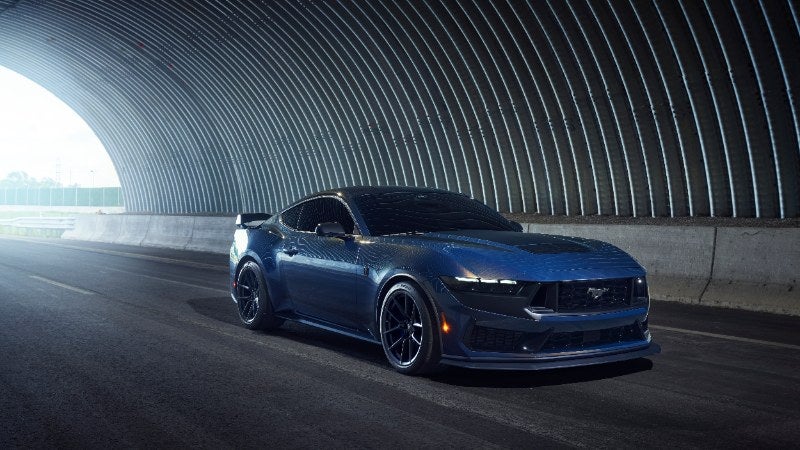
Ford Mustang Dark Horse sports car

Sometimes Things Weren't Meant To Be

When Hindsight Makes You Look Like A Genius Sometimes, the best features in a car or truck aren’t part of some master plan. They show up as afterthoughts, niche experiments, or even happy accidents. But once drivers get a taste, these features become absolute must-haves. Here’s a look at some of the most surprising success stories in automotive design—features that weren’t supposed to matter but ended up changing the way we drive. Car Features That Surprised Everyone 1. The Third Brake Light What started as a small safety experiment in the 1970s ended up saving lives. When researchers added a high-mounted brake light (now known as the third brake light) to test vehicles, they saw a major drop in rear-end collisions. The results were so convincing that it became mandatory on all cars sold in the U.S. starting in 1986. Drivers didn’t ask for it—but once it was there, it made a huge difference. 2. Cup Holders Believe it or not, older cars didn’t even have cup holders. But when minivans and Japanese imports started offering them, American drivers quickly let manufacturers know they weren’t going back. Today, cup holder count is practically a selling point—especially for families and road-trippers. 3. All-Wheel Drive in Everyday Cars Once reserved for rally cars and off-road vehicles, all-wheel drive made its way into everyday sedans and wagons almost by accident. Subaru leaned into it for snowy climates, and buyers loved the improved traction. Now it’s a feature shoppers actively seek—even if they never leave paved roads. 4. Backup Cameras Originally a luxury perk, backup cameras have become a critical safety feature. They help prevent accidents, especially in driveways and parking lots. The unexpected bonus? They also make parking easier and stress-free. Drivers quickly realized this "gimmick" was a game-changer—and now it’s required in most new vehicles. Truck Features That Started Small—But Took Off Big 5. Multi-Function Tailgates Once viewed as quirky or overly complicated, today’s advanced tailgates (like GMC’s MultiPro and Ford’s workbench-style tailgate) offer built-in steps, seats, and adjustable loading options. What started as a novelty became a utility feature that working professionals and weekend warriors now depend on. 6. Tailgate Bed Steps When GM introduced a fold-out step in the bumper to help climb into the truck bed, it seemed like a minor add-on. But for contractors, farmers, and anyone loading gear every day, it turned out to be a back-saving bonus. Now it’s a standard convenience many truck owners wouldn’t go without. 7. RamBox and In-Bed Storage Ram’s built-in lockable side boxes were originally designed for tools, but buyers found all kinds of uses—from fishing rods to emergency gear to cold drinks for tailgating. It started off niche but has since become a signature Ram truck feature. 8. Power Outlets and Onboard Generators Power outlets in trucks started as handy extras for campers or job sites. But in recent years—especially during weather emergencies—features like Ford’s Pro Power Onboard generator have kept homes lit and fridges running. A "nice-to-have" suddenly became a lifesaver. 9. Crew Cab Popularity Once used mostly for work crews, extended cab pickups went mainstream when families realized they could have truck capability and SUV-level comfort. That shift reshaped the truck market—now, crew cabs dominate full-size truck sales. 10. The Return of the Mid-Size Truck For a while, compact pickups disappeared from U.S. showrooms. But demand for smaller, more affordable, easy-to-park trucks led to a comeback. Models like the Ford Ranger, Chevy Colorado, and Toyota Tacoma proved there’s a big market for right-sized capability. When The Unexpected Makes Everyday Driving Better Sometimes, it’s not the horsepower or high-end tech that wins you over—it’s the practical, thoughtful touches you didn’t know you needed. From tailgate steps to hidden storage compartments and backup cameras, these “small” features often end up having the biggest impact. We believe great vehicles are built on smart design—both big and small. Our inventory includes the latest models with the kinds of features that make life easier, driving more enjoyable, and ownership more rewarding. Stop by and discover how the right little detail can make a big difference.

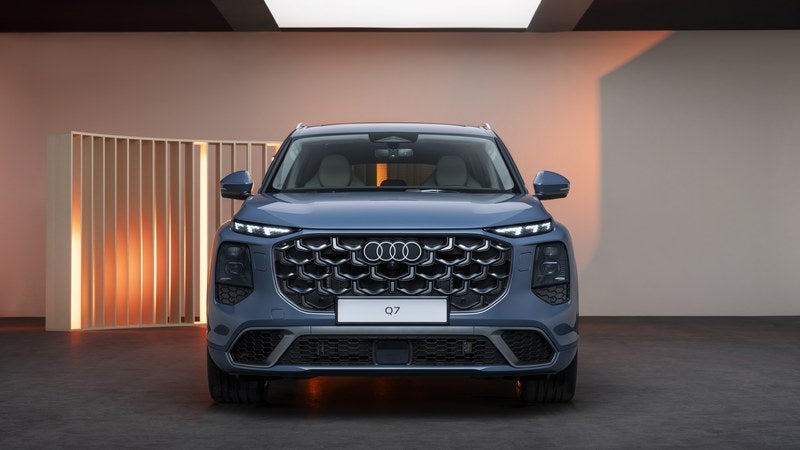
Audi SQ7 performance SUV, head-on studio shot

Used Car Dealers vs. Classifieds What You Should

Lessons Learned or A Smooth Transaction? If you're shopping for a used car, chances are you've looked at both dealership websites and online classifieds. While private listings can sometimes offer lower prices, there are a few important things to think about before making a decision — especially when you're dealing with something as important (and expensive) as a vehicle. Let’s walk through a few key differences that can help you feel confident about where you buy your next car. Your Time Matters When dealing with a private seller, you're often limited to a quick look at the car and maybe a short test drive — all while trying to coordinate around their schedule. This usually involves a frustrating string of back-and-forth calls or texts, which can make the process feel time-consuming and inconvenient. On top of that, you may need to share your personal phone number or email just to set up a meeting. While not all private sellers have bad intentions, there’s simply less structure and no guarantees around how the process will go. At a dealership, you have the chance to take a proper test drive and really see how the car performs. You can listen for unusual noises, check how it handles, and make sure it feels right for you. Being able to test drive multiple vehicles side by side also helps you compare and choose with confidence — something that’s hard to do in a private sale. On top of that, dealerships usually offer a wider selection, so you’re not limited to just one option. Whether you’re figuring out what you like or narrowing down your top pick, it helps to have choices — and a team — available during regular business hours. Know What You’re Getting Most dealerships can provide a vehicle history report, so you’ll know if the car was ever in a major accident, how many owners it’s had, and other details that give you a clearer picture of its past. Private sellers might not have this information — or may choose not to share it. And while private sellers can be held legally responsible for knowingly misrepresenting a vehicle, proving that in court isn’t always easy. Most private sales are “as-is,” with little legal recourse if something goes wrong after the sale. Payment Options and Legal Protections Coming up with the full cost in cash can be tough, and wiring money to someone you just met online? That’s risky. Dealerships usually offer financing options, and in many states, they also fall under consumer protection laws — including things like lemon law coverage or required disclosures. That means more peace of mind and fewer surprises down the road. Paperwork Without the Headache Buying from a private seller means you're responsible for all the paperwork — title transfer, registration, taxes, and more. That can take up time and energy you didn’t plan for. At a dealership, the paperwork is handled for you. It’s a smoother process from start to finish. When a Deal Seems Too Good to Be True… It’s not uncommon to see a listing that looks almost too good — a newer model at a price that seems way below what others are charging. Sometimes, that’s a red flag. Scammers will use fake listings or ask for upfront payments, then disappear once the money’s sent. Some even go as far as posing as actual dealerships. There have been real news reports of fake websites using stolen business names or phony inventory to trick people into wiring money for cars that don’t exist. Visit in Person, Buy With Confidence One of the best ways to protect yourself is simple: go see the car in person. When you visit a dealership, you know the business is real, the car is on the lot, and the staff is there to help. It’s a level of transparency and accountability you just don’t get with a stranger on the internet. If you're ready to shop with peace of mind, take a look at our used car inventory. You’ll find a variety of options, and we’re here to help you choose the one that fits you best.

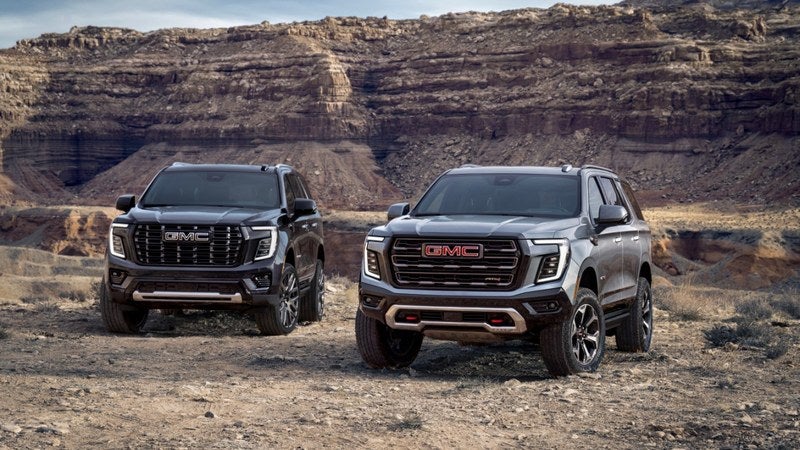
GMC Yukon full-size SUV

Finding the Perfect Used Car This Christmas

Why Consider Buying a Used Car at Christmas? The holidays are a time for giving, and what better gift to yourself (or a loved one) than a reliable used car? While it might not be the first thing that comes to mind when you think of Christmas, the end of the year can actually be a great time to snag a deal. Here's your guide to navigating the used car market during the festive season: Dealers Want to Meet Year-End Quotas: Salespeople are often eager to reach their targets by the end of the year, which can lead to better deals and more room for negotiation. Trade-Ins Increase: Many people trade in their old cars for new models at the end of the year, increasing the inventory of used vehicles. Potentially Lower Prices: Demand can sometimes be lower during the holidays as people focus on other expenses, which can translate to lower prices. Tips for Buying a Used Car During the Holidays Do Your Research: Before you even set foot in a dealership, know what kind of car you want, its fair market value, and any common issues it might have. Websites like Kelley Blue Book (KBB) and Edmunds are excellent resources. Get a Pre-Purchase Inspection: This is crucial regardless of the time of year. A qualified mechanic can identify potential problems that might not be obvious to the untrained eye. Check the Vehicle History Report: A Carfax or AutoCheck report can reveal important information about a car's past, such as accidents, repairs, and ownership history. Negotiate Smartly: Don't be afraid to haggle. Be prepared to walk away if you're not getting a fair price. Remember, dealers are often more willing to negotiate at the end of the year. Consider Certified Pre-Owned (CPO) Vehicles: CPO cars come with manufacturer-backed warranties and have undergone thorough inspections, offering added peace of mind. Don't Get Carried Away by the Holiday Spirit While the holidays can present opportunities for good deals, it's essential to stay focused and avoid impulsive decisions. Don't let the festive atmosphere pressure you into buying a car you don't truly need or can't afford. "The best time to buy a car is when you need one, but the end of the year can offer some added advantages for savvy buyers." - A Wise Car Buyer By following these tips and staying vigilant, you can find the perfect used car this Christmas and drive into the new year with confidence.

Volkswagen ID. Buzz electric passenger van

9 Quirky Car Features - What Were They Thinking

Somebody Thought These Were Great Ideas - You Decide Automakers have always been full of creative surprises. Some ideas were clever solutions to real problems, while others left drivers wondering what the engineers were thinking. From hidden gas caps to swiveling seats, here’s a look at 9 quirky car features that actually made it to production—and left their mark on automotive history. 1. Hidden Gas Caps (1960s Dodge Charger) Ever pulled up to the pump and thought, Where’s the gas cap? If you were driving a 1960s Dodge Charger, it might take you a minute to figure it out. The gas cap was tucked behind a rotating panel that blended so perfectly into the car’s body that some owners felt like they were playing hide-and-seek. It might not have been the most practical design, but it looked great—and today’s flush-mounted cameras and handles show that the streamlined vision of the Charger lives on. 2. Swiveling Seats (1970s Oldsmobile Cutlass Supreme) Imagine pulling up to a party in the 1970s, opening your car door, and gracefully swiveling your seat outward to step out—no awkward climbing required. It was a small luxury that made getting in and out of the car feel like an event, even if the clunky mechanism added a bit of weight. It was futuristic, fun, and ahead of its time. 3. Refrigerated Glove Boxes (2000s Rolls-Royce and Bentley) Because keeping your water bottle in a regular glove box is so pedestrian, Rolls-Royce and Bentley decided to add refrigerated compartments to theirs. Suddenly, your luxury car wasn’t just transporting you—it was keeping your champagne chilled, too. A drink on the go never sounded so glamorous. 4. Dashboard Record Players (1956 Chrysler Highway Hi-Fi) Vinyl lovers, this one’s for you. Chrysler once offered a dashboard record player so drivers could listen to albums while cruising. Unfortunately, every bump in the road made the needle skip, turning the feature into more of a novelty. Cadillac even leaned into the idea with a 1957 commercial featuring a record player in the back seat to show how smooth their ride was—proof that quirky features could double as marketing brilliance. 5. Built-In Vacuum Cleaners (2014 Honda Odyssey) Honda knew what parents really needed in a minivan: a way to clean up crumbs and dirt after soccer practice or road trips. Enter the HondaVAC, a built-in vacuum cleaner that made tidying up on the go ridiculously easy. It wasn’t flashy, but it was genius, and so practical that competitors quickly followed suit. 6. The Swing-Away Steering Wheel (1961 Ford Thunderbird) Sliding into the driver’s seat just got a little more elegant in 1961, thanks to Ford’s Thunderbird. Its steering wheel pivoted to the side when parked, letting you step in and out without squeezing or twisting. It might not seem like a big deal now, but at the time, it was like a little magic trick that made the T-Bird even cooler. 7. A Cozy Fireplace on Your Dashboard (Tesla) Leave it to Tesla to bring the unexpected. In some models, you can switch your dashboard screen to display a cozy, flickering fireplace. Add in the crackling sound effects, and suddenly your car feels more like a cabin retreat. Sure, it’s not useful, but it’s definitely charming—and sometimes, a little whimsy is all you need. 8. Mazda Miata’s Flip-Up Lights with "Winking" Feature (1990s) Pop-up headlights were already cool, but the Mazda Miata added an extra dash of personality with its "winking" feature. Drivers could raise just one headlight, giving their car a cheeky, playful vibe. It didn’t serve any practical purpose, but it gave the Miata its signature charm. 9. BMW’s Scent Dispenser (2006) In 2006, BMW thought: Why stop at leather seats and wood trim? Let’s make our cars smell amazing, too. Enter the scent dispenser, a feature that let drivers pick a fragrance to diffuse throughout the cabin. Over-the-top? Maybe. But it showed just how far automakers would go to make the driving experience feel personal and luxurious. Honorable Mentions: More Quirky Features from the Past and Present Hydrophobic Windows (1990s Nissan Primera): Windows that repelled water without wipers. Rain-Sensing Wipers (1950s Cadillac): Early attempts at automating wipers based on weather conditions. Vacuum-Operated Wipers (Pre-WWII Ford Model T): Wipers that frustratingly stopped working when you pressed the gas. Checker Marathon’s Folding Jump Seats (1960s-80s): Taxi staples for cramming in extra passengers. Saab’s Night Panel (1990s): Reduced dashboard lights to improve focus during nighttime driving. Honda Element’s Washable Interior (2003): Perfect for muddy adventures or pet owners. Modern Features You’ll Actually Love While you won’t find a car with a built-in record player or winking headlights today, modern vehicles are packed with innovative features designed to make your life easier, safer, and more comfortable. From advanced driver-assistance systems to premium sound setups and luxurious interiors, today’s cars have something for everyone. If you’re looking for a car that’s equipped with the latest technology—and maybe a few surprises, check out our current inventory. Whether you’re after practical features or the latest in luxury, we’re here to help you find a car that fits your needs perfectly.

Volkswagen Tiguan compact SUV driving on a road

Double Dipping at the Pump - The Ice Cream Method

Fuel Savings à la Mode: How to Double-Dip on Gas Discounts When gas prices rise, drivers are a lot like ice cream lovers. They look for that extra scoop of savings to sweeten the deal. After all, who wouldn’t want a little more without ice cream without the extra cost? With some smart planning, savvy drivers can "double dip" at the pump to stretch their fuel dollars. Let's explore clever strategies to maximize fuel savings and see how a fuel-efficient vehicle can make a significant difference, no matter the price at the pump. First Scoop: Cash-Back and Loyalty Programs Imagine enjoying a bonus scoop of ice cream simply because you're a loyal customer. Similarly, you can earn rewards just by using certain payment methods and participating in loyalty programs: Cash-Back Credit or Debit Cards: Using a card that offers cash back on purchases can earn you rewards ranging from 1% to 4% on your spending, including fuel and groceries. Retail Loyalty Programs: Many grocery stores, pharmacies, and retailers offer programs where you earn points for every dollar spent. These points can translate into cents off per gallon at participating gas stations. In some programs, accumulating enough points can save you up to $1.00 per gallon. Here's how you can maximize these benefits: Earn Rewards on Purchases: Use your cash-back card for everyday shopping to accumulate rewards. Accumulate Fuel Points: Enroll in retail loyalty programs to earn fuel points with each purchase. Combine Savings at the Pump: Use your accumulated fuel points when filling up, and pay with your cash-back card to earn additional rewards on the fuel purchase. Fuel Rewards Programs + Cash-Back Cards: The Perfect Pair By pairing fuel rewards programs with cash-back cards, you're effectively doubling your savings: Earn Cash Back on Groceries: Get rewarded for your regular shopping. Save on Fuel with Points: Use your loyalty points to reduce the price per gallon. Earn Cash Back on Fuel: Receive cash back when you pay for gas with your rewards card. Second Scoop: Choosing a Fuel-Efficient Vehicle Just like opting for a low-calorie ice cream that still satisfies your sweet tooth, choosing a fuel-efficient vehicle lets you go the distance without draining your wallet. Here's how different vehicle types can impact your annual fuel costs for a typical 12,000-mile yearly commute: Vehicle Type Fuel Tank Capacity (gallons) Fuel Economy (MPG) Annual Fuel Cost at $3/gallon Annual Fuel Cost at $4/gallon Annual Fuel Cost at $5/gallon Annual Fuel Cost at $6/gallon Compact Car 13 30 $1,200 $1,600 $2,000 $2,400 Sedan 16 25 $1,440 $1,920 $2,400 $2,880 SUV 22 20 $1,800 $2,400 $3,000 $3,600 Pickup Truck 30 15 $2,400 $3,200 $4,000 $4,800 Hybrid Vehicle 13 50 $720 $960 $1,200 $1,440 *Calculations are based on dividing the annual mileage by the vehicle's MPG to find total gallons used per year, then multiplying by the cost per gallon.* By choosing a vehicle with higher MPG, you can save hundreds to thousands of dollars annually, depending on gas prices. Maximize with Multiple Programs - The Cherry on Top The beauty of these strategies is that they can often be stacked for maximum benefit: Combine Rewards Programs: Use a cash-back card that offers bonuses on both grocery and fuel purchases. Leverage Fuel Apps: Utilize apps that help you find the lowest gas prices in your area or offer additional discounts at the pump. Adopt Fuel-Efficient Driving Habits: Maintain steady speeds, keep your tires properly inflated, and perform regular vehicle maintenance to improve fuel economy. The Sweet Taste of Savings Now that you know the secret to "double-dipping," it's time to put it all together. By choosing a fuel-efficient vehicle and taking advantage of cash-back rewards and fuel rewards programs, you can significantly reduce your annual fuel costs, no matter how high gas prices climb. Combining 1% to 4% cash-back cards and fuel rewards programs can save you anywhere from $100 to $500 per year. Add to that the savings from driving a fuel-efficient vehicle, and the overall benefit becomes even sweeter. Ready to Scoop Up a Fuel-Saving Vehicle? We understand how important it is to maximize your fuel savings without sacrificing the joy of driving. That's why we offer a wide selection of fuel-efficient vehicles, to help you stretch your gas budget further. Visit us today for a test drive and discover how we can help you get more out of every gallon. Our knowledgeable team is here to assist you in finding the perfect vehicle that fits both your lifestyle and your budget. Who knows, with all the money you save, your first stop could be the ice cream shop. Just don't forget to use your cash back card.

Chevrolet Corvette ZR1X sports car

The Party You Might Regret Attending

Are you feeling the effects of the tough economy? If so we get it. The allure of buying a car from a third party, like Craigslist or Facebook Marketplace, can be pretty tempting. You might be thinking you’ll score a great deal and have a bit more control over the process. But, as car dealers, we've seen just about every kind of transaction you can imagine, The hard truth is that tough times bring scammers out of the woodwork. They are looking to take advantage of your desire to save money. Even when you're dealing with a legitimate , what you don't know or even consider could lead to wishing you never attended that "Third Party". Here are some of the common pitfalls of going the third-party route and why buying from a dealer might be a safer bet. Watch Out for Incomplete or Suspicious Listings You know that saying, “If it sounds too good to be true, it probably is”? That’s especially true when you're scrolling through online listings. A lot of times, sellers might leave out critical details like mileage, the car’s history, or even clear photos. They might just be sloppy, or worse, they might be trying to hide something. For example, some sellers intentionally omit information about major accidents or title issues to lure in unsuspecting buyers. If the price is super low and the description is vague, take it as a red flag. As a dealer, our reputation depends on it providing solid information on every car. You won’t get that level of transparency with just any random seller online. Be weary of listings that use stock photos instead of actual pictures of the car. This can be a sign that the seller is not being upfront about the condition of the vehicle. Also, listings that encourage you to contact the seller directly via email or off-platform could be part of a scam. These tactics are often used to avoid platform scrutiny and are a major red flag. Never Skip a Vehicle History Check This can't be stressed enough. Always check the vehicle’s history using the VIN. Services like Carfax or AutoCheck are your best friends here. So many people get stuck with cars that have been in serious accidents, have salvage titles, or have odometer rollbacks. That's where the seller illegally reduces the mileage shown on the odometer to make the car appear less used. Some vehicles may have had multiple owners, which can complicate the vehicle's history and raise concerns about consistent maintenance. Additionally, cars that have been used as rental vehicles or in ride-sharing services may have undergone more wear and tear than typical private-use vehicles. A thorough history report can help you identify these factors, but it's something many third-party sellers might not disclose upfront. Verify the Seller’s Identity and Legitimacy Here’s a scary thought: not everyone who posts a car online actually owns it. Always ask to see the seller’s ID and make sure it matches the name on the title. This step helps ensure that the person you’re dealing with has the legal right to sell the car. News stories often highlight people getting scammed by someone selling a car “for a friend” or worse, a stolen vehicle. Without proper verification, you could end up buying a car that’s not legally yours. When you buy from a dealer, you know exactly who you’re dealing with. Be aware of sellers who are overly eager to close the deal quickly. They may pressure you to complete the transaction before you have time to verify details or may refuse to meet in person. These are often tactics used by scammers to push through fraudulent sales. Always insist on meeting in a public place and conducting the transaction in person. If the seller resists, consider it a red flag. Don’t Skip the Test Drive You wouldn’t believe how many folks out there buy cars without even test-driving them. Huge mistake! Even if you’re mechanically savvy, a professional inspection is crucial. This isn’t just about making sure the engine runs; it’s about uncovering potential issues that could cost you thousands down the line. For example, a car might have hidden rust damage, transmission issues, or electrical problems that aren’t immediately noticeable. Dealers have mechanics who inspect every vehicle before it’s put on the lot. We make sure everything is in good shape, and if it’s not, fix it. You can’t always trust a private seller to do the same, and once you hand over that cash, any problems are your problems. Consider having the inspection done at an independent, trusted mechanic, not one recommended by the seller. Sellers might suggest their own mechanic or a shop they are familiar with, but this can lead to biased reports that favor the seller. Also, pay attention to how the car behaves during the test drive, especially under different driving conditions, like acceleration, braking, and cornering. Listen for unusual noises, which could indicate underlying issues. Safe Payment Methods Are a Must Handling the payment part of the deal can be tricky. Cash is risky, wire transfers can be scams, and PayPal might not cover you in disputes over a car. There have been instances where buyers paid cash, only to later discover that the car had a lien on it, meaning the previous owner still owed money to a lender. This situation can get messy fast, with the lender potentially repossessing the car. At a dealership, you get safe, secure payment options, whether you’re financing, leasing, or paying outright. We even handle the title transfer for you, so there’s no chance of getting stuck with a car you can’t legally drive. Always verify that the title is free and clear of liens before making any payment. Ask the seller to provide documentation proving that any loans have been paid off. If possible, complete the transaction at a bank or credit union where the transfer of funds and title can be done securely and simultaneously. This minimizes the risk of fraud and ensures that all legal aspects of the sale are properly handled. Make Sure All the Paperwork Is in Order When buying from a third party, you’re responsible for making sure all the paperwork is correct, bill of sale, title transfer, and so on. If anything’s missing or filled out wrong, it can lead to big problems, like not being able to register the car. Imagine buying a car, driving it home, and then finding out at the DMV that you can’t register it because the title is still in the previous owner’s name or because there’s a mistake on the paperwork. Car dealerships handle the paperwork for you. It’s part of the service, and it ensures that everything is legal and above board. Plus, dealerships are familiar with the specific requirements of your state or county, which can vary and be confusing for someone not used to dealing with these transactions. Don't leave such an important purchase to chance. Protect yourself from potential scams, hidden issues, and legal headaches by choosing a trusted dealership for your next vehicle. Visit us today to browse our selection of thoroughly inspected vehicles, enjoy secure payment options, and let our experienced team handle all the paperwork, so you can drive away with peace of mind. Your next car is waiting, take the safe route and make it yours!

GMC Hummer EV electric pickup truck

Future Cars - When Movie Magic Becomes Reality

Driving into the Future: The Rise of Autonomous Vehicles Movies have the power to be insightful, aspirational, and provide an escape from the stresses of every day life. It's when technology bridges the gap between fiction and reality, that movie magic becomes innovation. Who could forget the Audi RSQ from I Robot, the Lexus 2054 from Minority Report and the quirky automated Johnny Cab from Total Recall. But just how close are we to having autonomous cars as part of our daily lives. The Current State Of Technology In order for these cars to become mainstream, breakthroughs in the following areas are needed. Sensors: Self-driving cars rely on a suite of sensors like cameras, lidar (which uses lasers to create 3D maps), and radar to get a complete picture of the road. Software: This is the brain of the operation! It processes the sensor data to understand what's happening around the car and make decisions about speed, steering, and braking. Mapping: Self-driving cars also rely on detailed maps to understand road layouts, traffic signs, and possible obstacles. It is true that well known pioneers of autonomous technology like Tesla and Waymo: a subsidiary of Alphabet (Google's Parent Company) have vehicles that are what is called Level 3 Automation. These cars can perform driving tasks but require driver interaction However, it's also true that these companies will have to win over a skeptical and cautious consumer base. Part of that process is to roll out Level 4 testing which will use controlled environments, and favorable conditions found in the Sun Belt states. Commercial Applications Beyond personal transportation, autonomous vehicles are poised to disrupt entire industries. Long-haul trucking could be revolutionized by self-driving trucks that tirelessly navigate highways, delivering goods more efficiently and reducing reliance on a strained workforce. Imagine a future where hailing a ride is as effortless as searching the web - "Robo-taxis" summoned by a tap on your phone, offering a safe and convenient alternative to traditional taxis or even owning a car altogether. The potential impact of autonomous vehicles extends far beyond the road, promising to reshape how we move goods and ourselves in the years to come. Until The Future Arrives While there's no autonomous cars that we can program to automatically visit our dealership (just yet!), our extensive inventory is sure to impress you. So, whether you're looking for a test drive in the traditional way or hoping to hail a robo-taxi in the future, we'll be here to meet your transportation needs.

Contact Us

Fill out this form below and we'll contact you shortly
*Required Fields