

SouthWest Automobile Financing

Blog / Car Care

Make the Most of Your Summer on the Road

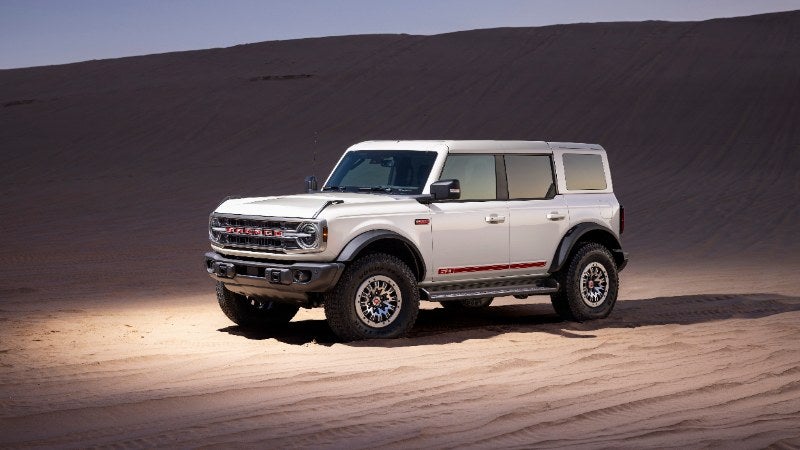
Ford Bronco SUV driving through the desert

Top Car Accessories for Road Trips, Families, and Pet Owners

Whether you're planning a weekend getaway, managing daily school runs, or traveling with your pet, the right car accessories can significantly improve your driving experience. From added convenience to enhanced safety, here are the top accessories to consider for road trips, families, and pet-friendly travel.

Must-Have Accessories for Road Trips

Long drives call for comfort, organization, and preparedness. These accessories help make road trips more enjoyable and stress-free:

  • Phone Mount or GPS Navigation System
    Keep navigation within sight and hands off your phone.

  • Portable Car Charger or USB Hub
    Ensure everyone’s devices stay powered throughout the trip.

  • Roof Rack or Cargo Box
    Free up interior space with secure storage for extra luggage or gear.

  • Travel Pillows and Blankets
    Enhance passenger comfort on long drives.

  • Emergency Roadside Kit
    Includes jumper cables, a flashlight, and basic tools for unexpected situations.

Best Accessories for Families

Traveling with kids requires extra planning. These family-focused accessories help keep things organized and passengers content:

  • Back Seat Organizers
    Store toys, snacks, electronics, and more within easy reach.

  • Sunshades for Rear Windows
    Protect children from glare and heat during sunny days.

  • Tablet or Phone Holders
    Allow for safe, hands-free entertainment.

  • Spill-Proof Containers and Car Seat Protectors
    Help maintain a clean interior despite spills and messes.

  • Foldable Step Stool
    A convenient aid for young children entering or exiting higher vehicles.

Top Accessories for Pet Owners

For pet owners, comfort and safety are just as important as convenience. These accessories make traveling with animals safer and easier:

  • Pet Seat Cover or Hammock
    Protects upholstery and provides a comfortable area for your pet.

  • Seatbelt Harnesses or Pet Crates
    Keeps animals secure and minimizes driver distractions.

  • Portable Water Bowl and Travel Food Containers
    Ensure your pet stays hydrated and well-fed on the go.

  • Pet Ramp or Vehicle Steps
    Helps pets enter and exit the car without strain, especially larger or older animals.

  • Cargo Area Barriers
    Keeps pets safely confined to the back of your SUV or hatchback.

Get Ready For The Road

The right accessories can make a significant difference in your driving experience—whether you're embarking on a long road trip, managing the daily routine with kids, or traveling with pets. They not only improve comfort and convenience but also help keep your vehicle organized, clean, and safe for everyone on board.

When choosing accessories, consider your specific needs and driving habits. A few thoughtful additions can go a long way toward making your time on the road smoother, safer, and more enjoyable. Take the time to evaluate what works best for your lifestyle, and invest in quality products that offer lasting value and reliability.

Ready for your next adventure? Browse our current inventory to find the perfect vehicle for your lifestyle.
Posted in:

Related Posts

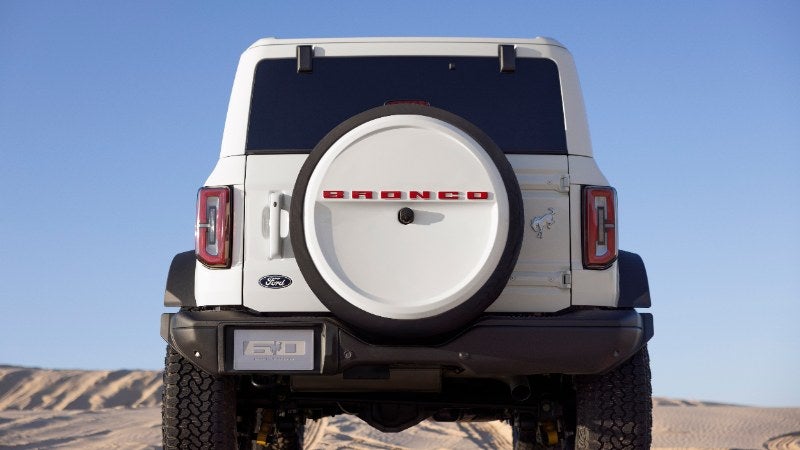
Ford Bronco SUV, rear view

Weather Affects Your Car's Performance!

How Weather Impacts Your Car’s Performance (and How to Protect It) Weather plays a bigger role in vehicle performance than many drivers realize. From extreme heat to icy winter roads, changing conditions can affect everything from fuel efficiency to safety systems. Understanding how different types of weather impact your vehicle can help you stay prepared and keep your car running smoothly year-round. Whether you're planning maintenance, scheduling a seasonal checkup, or exploring options in our inventory, these tips can help you protect your vehicle and maximize performance in any climate. 1. Cold Weather Effects When temperatures drop, your vehicle’s systems work harder. Cold weather thickens fluids, reduces battery efficiency, and lowers tire pressure—all of which can change how your car behaves. Batteries: Cold temperatures reduce cranking power and can lead to unexpected no-start situations. Tires: Air pressure drops in cold weather, which can reduce traction and fuel economy. Fluids: Engine oil and transmission fluid thicken, making components work harder during warm-up. Fuel Efficiency: Short trips and cold starts can reduce overall MPG. A winter checkup—battery test, tire pressure adjustment, and fluid evaluation—can help ensure your vehicle is ready for colder months. 2. Hot Weather Effects High temperatures can be just as demanding on your vehicle. Extreme heat stresses the cooling system, weakens batteries, and accelerates wear on rubber components such as hoses and belts. Overheating: Engines are more likely to run hot when coolant levels or radiator components aren’t in top shape. Tire Blowout Risk: Heat increases air pressure and can weaken aging tires. Air Conditioning Load: Constant A/C use can strain the engine and electrical system. Interior Wear: Sun exposure can fade upholstery and crack dashboards. Using sunshades, checking coolant levels, and inspecting belts and hoses are simple steps that help protect your vehicle in summer. 3. Rain and Humidity Wet conditions impact both visibility and stopping distance. Moisture also affects electrical components, interior surfaces, and braking performance. Reduced Traction: Wet pavement increases stopping distance and raises the risk of hydroplaning. Fogged Headlights: Moisture inside headlamps can dim light output. Mold and Odors: High humidity can lead to damp carpets and interior mildew. Brake Performance: Water and humidity can temporarily affect brake responsiveness. Regularly checking tire tread, replacing worn wipers, and keeping windows clear can help improve safety during rainy seasons. 4. Snow and Ice Snow and ice create some of the most challenging driving conditions. Reduced traction, frozen components, and road salt corrosion all impact your vehicle’s long-term health. Traction Loss: Snow and ice significantly reduce tire grip. Frozen Locks and Wipers: Moisture can freeze, making parts temporarily unusable. Salt Corrosion: Road salt can damage brake lines, exhaust systems, and undercarriage components. Braking Delays: Anti-lock braking systems may activate more frequently in slippery conditions. Switching to winter tires and washing the undercarriage regularly can reduce wear and improve control. 5. Wind and Storm Conditions High winds and storms can affect vehicle stability, visibility, and exterior condition. Drivers of taller vehicles, such as SUVs and trucks, may feel these effects more strongly. Handling Changes: Strong crosswinds can push the vehicle sideways, especially at highway speeds. Flying Debris: Branches, gravel, and other debris can damage the paint or windshield. Water Intrusion: Heavy storms may cause water to enter seals or vents if they’re worn. Parking in sheltered areas and checking seals and weather stripping can help prevent storm-related damage. How to Protect Your Vehicle Year-Round Seasonal maintenance is the best way to keep your vehicle performing at its best. A few simple practices can extend longevity and reduce unexpected repairs. Monitor tire pressure regularly Use season-appropriate fluids Inspect your battery before summer and winter Wash and wax your vehicle to protect paint Schedule seasonal inspections Stay Prepared for Any Season Every type of weather brings unique challenges, but with the right preparation your vehicle can stay strong and reliable all year long. If you have questions about seasonal care, want a maintenance recommendation, or are exploring vehicle upgrades, we're here to help. Reach out any time using our contact form, explore our current inventory, or learn how your current vehicle’s value may change from season to season by visiting our trade-in page.